By Andy Ford
The video below shown shows incredible footage one of the youth uprisings – in this case Nepal – hailed by the press, somewhat inaccurately, as ‘Gen Z’ uprisings. This twenty-three minute video, shows the scale of the youth revolt from inside Nepal.
The film maker, ‘Harry’, is a travel blogger for ‘Wehatethecold.com’ who had just touched down in Nepal to make a travelogue, only to find himself walking into a huge uprising in the capital, Katmandu.
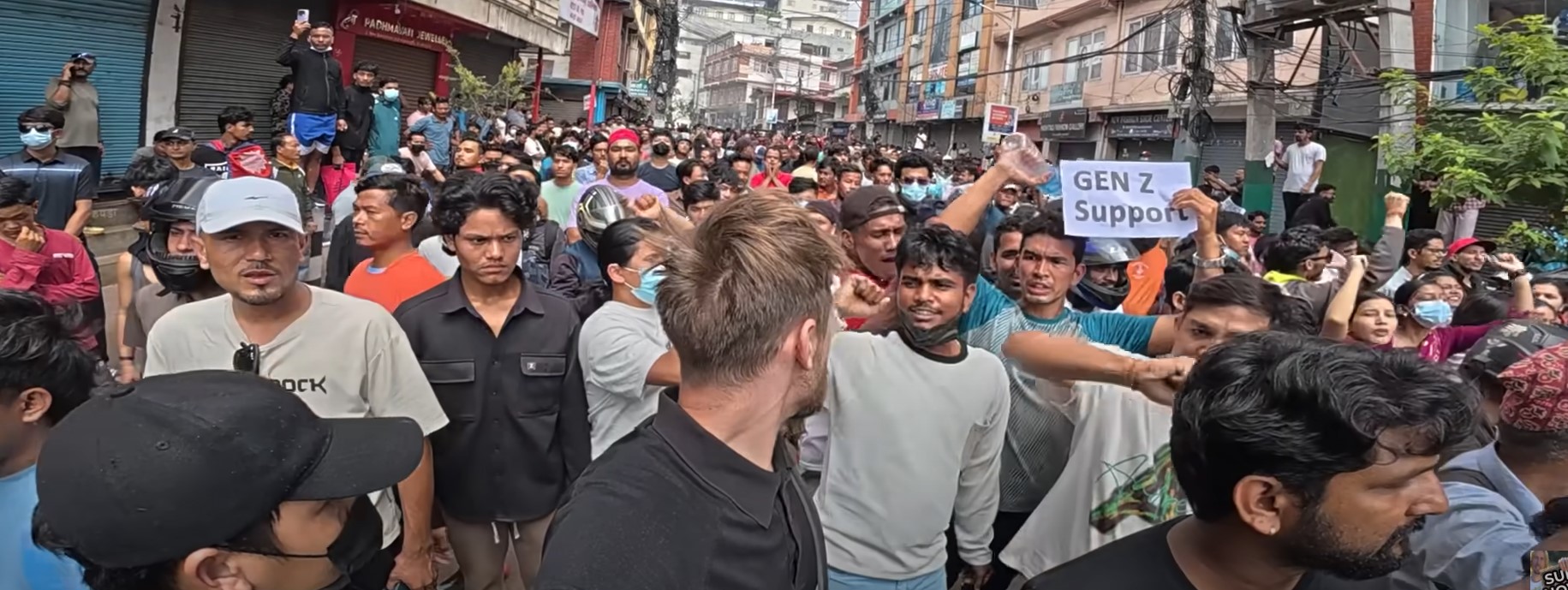
The first thing you notice is the age of the participants – teenagers and people in their twenties. What passes for capitalism in Nepal clearly is not working for them, and they are filled with a burning hatred of the corrupt elite who have been looting the country for decades, and for their hired thugs in the security services.
The side of Nepal the media won’t show you 🇳🇵
The second point is that this is an urban movement. Nepal went through a rural guerilla war in the 1990s, which resulted in a victory for the Maoist Communist Party of Nepal. Now Nepal is a fast-urbanising country and around a million people live in the capital, Katmandu, the economic heart of the country.
The third thing you notice is the total lack of organisation. In fact, it is pure chaos, with thousands of youth out on the streets the streets of the capital confronting, and being confronted by, the goons of the riot police. There is no party or organisation to give direction or strategy.
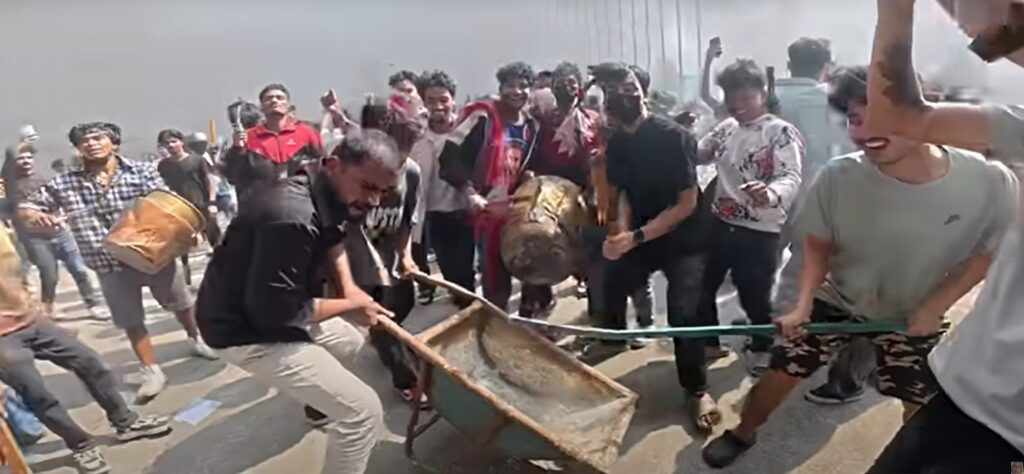
In fact, ironically, the Prime Minister of Nepal – until these events forced his resignation – was JP Sharma Oli of the Communist Party of Nepal. The only slogans or emblems you see are hand-written placards and the national flag of Nepal.
Instead, the victory of the youth was won by sheer determination and force of numbers. Despite the lack of organisation and discipline though, the youthful participants show natural solidarity and humanity to the intrepid blogger.
The ‘Gen Z’ uprisings began in Bangladesh in June 2024, or perhaps the ‘Aragalaya’ movement in Sri Lanka in May 2024 – although that was slightly different. They have now spread to East Timor, Indonesia, Peru, Madagascar and Morocco. In Europe Serbia showed many of the same features.
In each case the youth constitute a formidable force, easily outnumbering the regime’s riot squads, but for a lasting victory they must enlist the support of the organised working class by turning to the workplaces and, where they exist, the trade unions. That is what ultimately happened in Sri Lanka to force a transition of power.
Harry’s video is a valuable historical document, albeit created unintentionally. There are even moments of humour as a Nepalese woman asks him how long he has been in Nepal, and he says “Er…this is my first day”. Incredulously she says, “And THIS is your first time?”
His film shows events from the inside whereas the recent coverage of events in East Timor, Indonesia, Peru and Morocco tend to be from established media organisations, mainly owned by billionaires, and filmed from behind police lines, and often with ridiculously biased commentary, such as “Later, the protests turned violent” as film shows a riot policeman stoving in a young student’s head, or plain-clothes thugs bundling teenagers into vans. This video shows events just as they happened.
[Pictures are stills from the video]