By David Cartwright, Unite, Glasgow Retired Members’ Branch
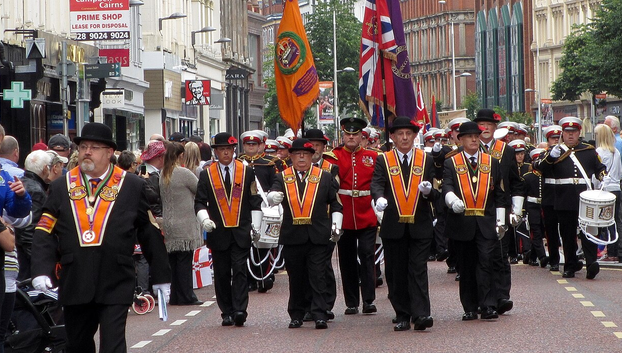
On Sunday 3 May a wide range of Glasgow Labour movement organisations and community campaign groups assembled in the east of the city and marched through the city centre in good spirits accompanied by great marching music from the Saint Frances Pipe Band and the Kinneil Band.
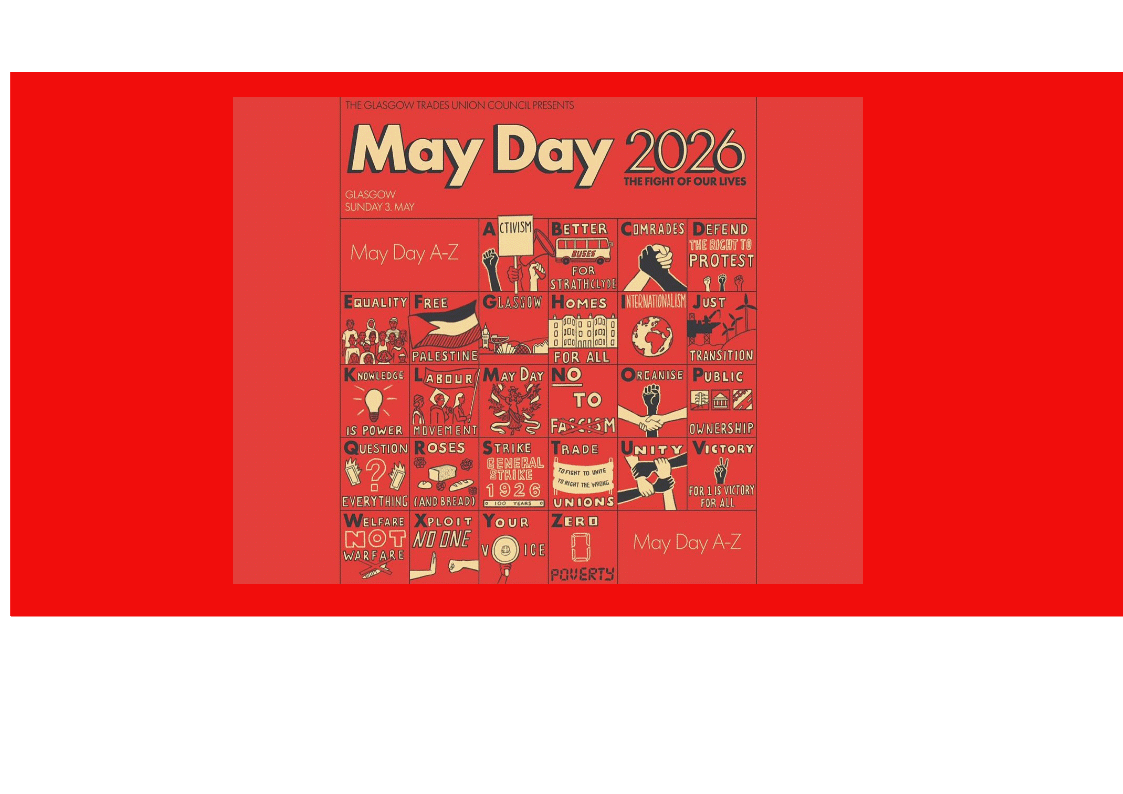
The march finished at the Kelvingrove Park in the west. From there it was a short walk to the Glasgow University Students Union where the rally took place. The theme of this year’s rally, chosen by the Glasgow Trade Union Council (GTUC) was ‘The Fight of our Lives!’ And all of the speakers spoke passionately about the way that they and their organisations are active in that fight.
The speech from Stella Small from Unite Hospitality produced a rapturous response. She has been involved with other young Unite members in a dispute at Village Hotels that has gone on for 156 days. The average age of the Unite members there is 21. It was noticeable that there were a lot of young workers in the hall, no doubt inspired by this example.
Remembering the 1926 General Strike
Given that this is 100 years since the General Strike in 1926, the GTUC selected somebody to speak on that topic. They chose Doctor Ewan Gibbs, who lectures in Economic and Social History at the University of Glasgow. He has authored a number of books including Coal Country.
Ewan emphasised that the strike arose from the solidarity instincts of the trade union movement. 1 million mine workers had been locked out of work by the mine owners. And the workers elsewhere knew the hardships faced by mine workers. In the 1920s 1,000 miners lost their lives each year and many others were injured or suffered lung diseases. The rest of the movement struck in solidarity with them.
The strike represented the largest industrial episode in British history. It raised the question of where power laid. The state defended itself through a number of strike breaking measures like the Organisation for the Maintenance of Supplies and Special Constables. University students (including those from the University we were meeting in) were part of the strike breaking force (to run trams etc). With the change in the class composition of Universities that would be a very different story today.
How the strike played out in the Glasgow region
The strike breaking included clashes with pickets in areas like Partick, Bridgeton and the Ruby Street tram depot in Dalmarnock. The actions of the state exposed the limits of workers rights. Armed soldiers were sent into the coal villages and industrial cities. Six warships were sent to the Clyde including one ominously called HMS Warspite.
But the strike also showed the power that workers could wield in their areas. In many areas they put in place systems of permits, controlling transportation and distribution. In Govan, women took control to ensure food was sold at a fair price. Workers were in control of the Motherwell rail depot, the second largest in Britain. And in Airdrie a workers’ soviet was set up that took control of local infrastructure like gas and water.
The industrially important shipyards were not called out at the start of the strike on 3 May. They were called out on 11 May but just one day later the General Council of the TUC called off the strike. The miners remained locked out and were finally forced to accept lower wages and working conditions when they were starved back to work later in the year.
Lessons of the General Strike
Ewan concluded by looking at the lessons of the General Strike. He reiterated the point about the importance of solidarity action in the movement. Today there are no coal owners but there are equally unscrupulous business owners like Sir Jim Ratcliffe, part owner of the Grangemouth refinery where 435 direct jobs have been lost. He also pointed to the limits of democracy in the movement that allowed the Trade Union Council to call off the General Strike. Limits like that still exist and need to be challenged.
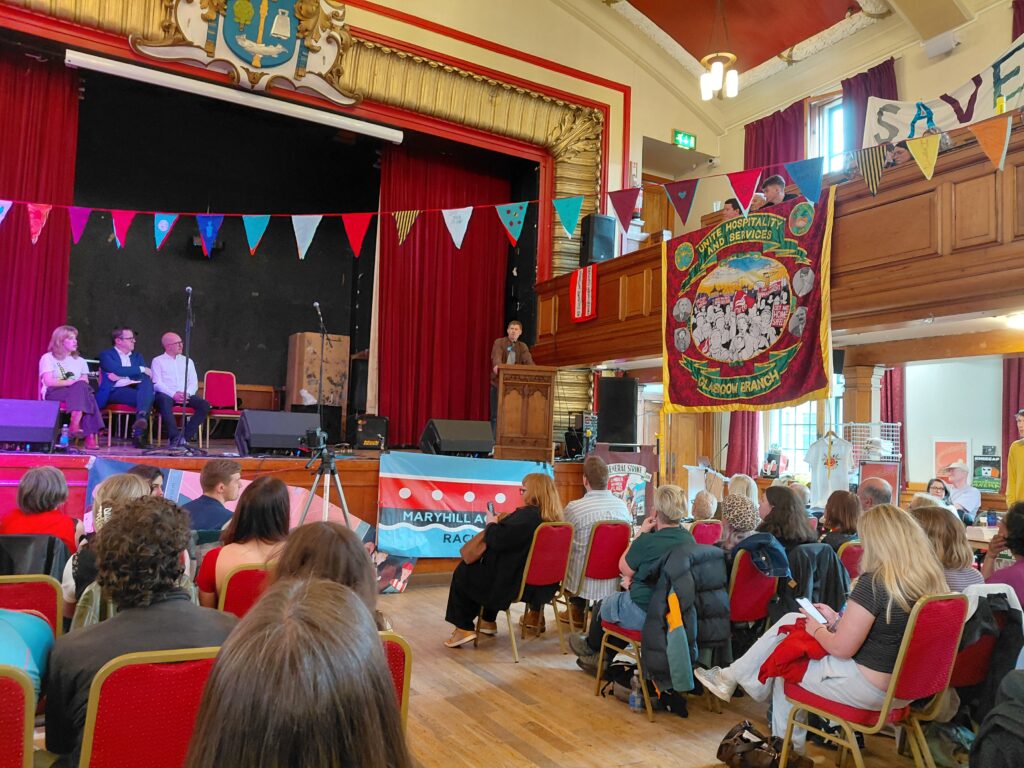
Eddie Dempsey speaking at Glasgow May Day 2026
The final speaker at the rally was Eddie Dempsey, General Secretary of the RMT union (Railway, Maritime and Transport workers). He also referred back to the heritage of our current Trade Union movement. He told the audience about the general transport workers strike on Merseyside in 1911 and how the Government responded by sending the HMS Antrim warship down the River Mersey. The rail workers formed the first industrial union in 1913. Then the National Union of Mineworkers was formed in 1914. The Transport & General Workers Union was formed in 1922. The three unions together formed the Triple Alliance that represented thousands of industrial workers.
The establishment politicians knew that the Triple Alliance had a power that was stronger than the British state and said as much. History shows that the trade union leaders drew back from the brink and a great opportunity was lost.